
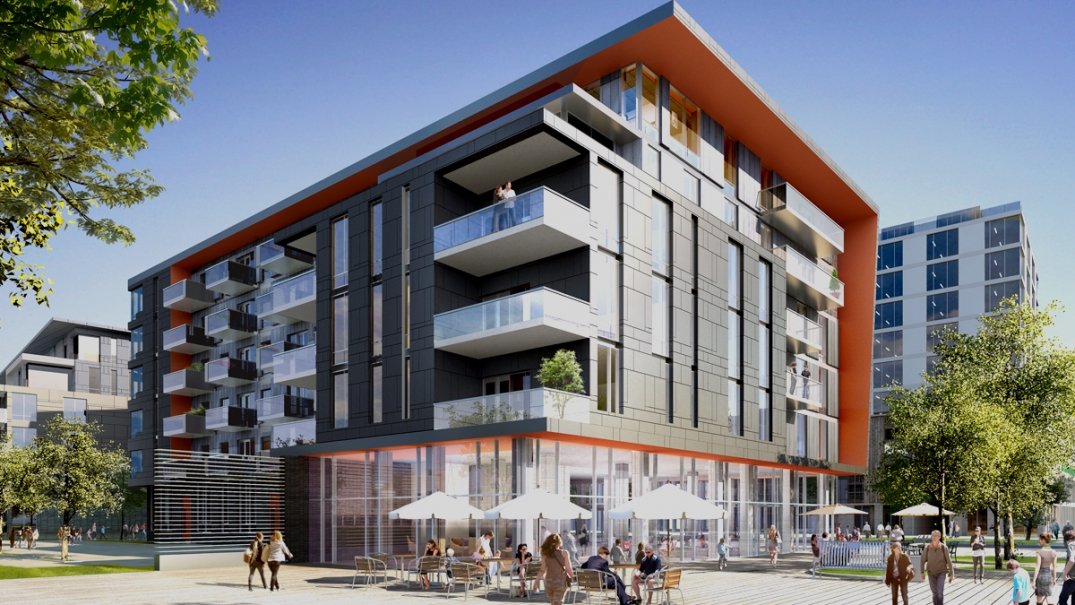
In today’s dynamic property market, balancing residential and retail space has become one of the most lucrative yet complex challenges for UK property investors. Get it right, and you’ll unlock a goldmine of long-term rental income, capital growth, and community appeal. Get it wrong, and you’re stuck with void units, planning snags, and missed opportunities.
Whether you’re planning a town-centre redevelopment, transforming a high-street unit, or investing in a mixed-use block, understanding how to balance these elements is key.
Let me show you how to get it right—step by step.
Why Mixed-Use Developments Are on the Rise
In 2025, the UK’s urban landscape is evolving fast:
- E-commerce is reshaping shopping habits
- Housing demand continues to rise, especially in urban and suburban areas
- High streets are reinventing themselves
The result? Mixed-use developments—carefully balancing retail with residential space—are becoming a forward-thinking strategy for investors.
But there’s a catch.
📉 Too much retail = higher risk of vacancies
🏢 Too much residential = missed footfall and service gaps
To succeed, the two must work in harmony.
Top Benefits of Balancing Residential and Retail Space
✅ Dual Income Streams:
Residential offers steady rental returns; retail can yield higher returns if managed well.
✅ Market Resilience:
If one sector (say, retail) dips, the residential side can keep cash flow steady.
✅ Council Support:
Local authorities favour schemes that deliver housing and economic activity.
✅ Tenant Appeal:
Live-work-shop spaces create vibrant communities—great for tenant retention.
Key Trends Shaping UK Mixed-Use Property in 2025
Understanding what’s influencing today’s market helps you plan smarter investments.
1. The 15-Minute Neighbourhood Model
Urban planners now champion “15-minute neighbourhoods”—places where residents can access everything (shops, parks, cafés, schools) within a short walk or cycle. Developments that blend residential and retail naturally support this vision.
2. Shift Toward Smaller, Flexible Retail Units
Gone are the days of sprawling stores. Tenants want adaptable, street-level units suited for:
- Coffee shops and bakeries
- Nail bars and salons
- Click-and-collect hubs
- Co-retailing spaces (shared by multiple small businesses)
3. Micro-Living & Build-to-Rent (BTR)
Smaller, well-designed flats above retail hubs are highly desirable to students and young professionals seeking urban convenience.
4. Return to Localism
More Brits are choosing to shop locally—boosting the appeal of walkable, community-focused retail spaces embedded in residential zones.
Planning Tips: How to Balance Residential and Retail Space
1. Understand Local Demand First
Start with solid research. Ask:
- Who lives nearby? (Students, retirees, families?)
- Are locals shopping on foot or driving to out-of-town centres?
- What size homes are in demand?
- What retail businesses are already thriving?

2. Let Location Dictate the Ratio
There’s no perfect formula—it depends on where your development is.
| Location Type | Suggested Mix |
|---|---|
| City Centres | 40% Retail / 60% Residential |
| Suburban Towns | 20% Retail / 80% Residential |
| Student Areas | 10–15% Retail (cafés, laundrettes) |
| Commuter Zones | 90% Residential + essential shops |
📍 Check foot traffic, public transport links, and car parking before you finalise your ratios.
3. Design for Integration, Not Just Coexistence
Mixed-use doesn’t mean stacking flats above a shop. It’s about creating a cohesive space.
🏘️ Design tips:
- Separate entrances for residential and retail
- Strong soundproofing
- Shared outdoor areas (e.g. roof gardens, courtyards)
- Attractive shop fronts and clear signage
Tenants want seamless, comfortable environments where living above retail feels like a lifestyle perk—not a nuisance.
4. Know the Planning Rules (and Use Class E)
The 2020 reform of Use Class E lets you convert between many commercial uses (retail, cafés, offices) without full planning applications. But don’t assume everything is permitted.
🔍 Always check:
- Local authority guidance
- Article 4 restrictions
- Listed building or conservation area designations
- Section 106 agreements and Community Infrastructure Levy (CIL) costs
👥 Engage with planning officers early—it can save you months of delays.
5. Think Like a Retail Tenant
To avoid voids, design with future tenants in mind.
What do they want?
- Street visibility
- Foot traffic from residents
- Easy deliveries
- Shorter, flexible leases
- Fibre broadband + fit-out-ready units
💡 Tip: Offer turnover-based leases for new tenants to ease the risk in early months.
6. Ensure Residential Units Are Built for Long-Term Appeal
Your residential side anchors your development—so build it to last.
Key considerations:
- Layouts tailored to your audience (students, professionals, families)
- Privacy from retail noise
- EV chargers, parcel lockers, bike storage
- Access to green space or rooftop terraces
Build-to-Rent developers excel at creating managed communities—use their strategies even if you’re selling.
7. Price Strategically
Retail rents are more volatile than residential, which typically offer:
- 4–6% yields in strong areas
- Annual inflation-linked increases
⚠️ Overpricing small retail units can kill occupancy. Try:
- Stepped rents
- Incentives for independent brands
- Shorter initial terms with renewal options
8. Mix Tenures and Unit Types
Diversity improves resilience. Successful mixed-use schemes often include:
- 1- and 2-bed flats
- Studios
- Affordable housing
- Live/work units
Retail units should range from cafés to co-working lounges to day-care centres. Vibrant, varied tenants attract more people and reduce vacancy risk.
9. Prioritise ESG and Sustainability
Today’s tenants—both residential and retail—care deeply about green living.
🌱 Consider adding:
- Solar panels
- Green roofs or courtyards
- Rainwater harvesting
- Cycle infrastructure
- Sustainable building materials
It boosts value and helps futureproof your investment.
10. Engage the Local Community
Want faster approvals and long-term tenants? Build community support.
Talk to:
- Local councils and planning officers
- Business Improvement Districts (BIDs)
- Community leaders and retailers
- Nearby schools and service providers
Collaboration opens doors to funding and reduces resistance to your plans.
Case Study: Croydon’s Town Centre Regeneration
Croydon is a prime example of balanced, modern mixed-use development in action.
What’s Happening:
- 9,500+ new homes planned
- Major Westfield redevelopment mixing flats, retail, restaurants
- Investment in transport, arts, and green spaces
Key Lesson for Investors:
Retail supports lifestyle, and residential ensures resilience. Together, they’re transforming Croydon into a vibrant, future-ready hub.
Pitfalls to Avoid When Balancing Residential and Retail Space
🚫 Overloading with retail in low-demand areas
🚫 Ignoring local demographics and spending patterns
🚫 Prioritising yield over liveability
🚫 Poor integration between commercial and residential areas
Final Thoughts: How to Get the Balance Right
Balancing residential and retail space isn’t just about numbers—it’s about value creation.
When you plan with local needs in mind, design for community life, and stay adaptable to trends, you don’t just build property. You build thriving neighbourhoods.
- Diversified income
- Higher long-term value
- Council support
- Stronger community ties
Whether you’re redeveloping a shop unit or planning an urban block, think residential, retail—and relationships.
Want more expert planning insights and property investment strategies?
Check out the UK Government’s Planning Portal or explore local data on CoStar UK.

Join The Discussion